AI Twitter/X Hots Digest · 2026-10-28 (Wednesday)
Today’s highlights
- Cursor turns design into agent input: Design Mode adds Annotate — circle elements, sketch on the page, review at different screen sizes — so visual prompts enter the coding-agent loop directly.
- Evals move from “meets spec” to “would you merge?”: Cognition ships FrontierCode 2.0; the same day Zed makes Claude Code multiplayer via
/delta share. - Human vs agent division of labor keeps rewriting: an Anthropic engineer drops coding interviews; Grok Bot posts both an agent-friendly shipping culture and tibot for mention digests.
1. Cursor Design Mode: Annotate feeds visual prompts to agents
Takeaways: @cursor_ai announces Annotate in Design Mode — give agents visual prompts: edit page elements, draw on the page, and review designs at different screen sizes. Companion shortcut Cmd+Shift+D opens it from the browser. Follow-ups call the “design mode glowup” worth studying.
Why it matters: Coding-agent input is no longer only natural language and diffs — circled annotations on a mock become first-class prompts, and IDE competition expands into whether design and implementation share one session.
- cursor_ai: Annotate launch: https://x.com/cursor_ai/status/2115159585548021814
- cursor_ai: Cmd+Shift+D entry: https://x.com/cursor_ai/status/2115159597489225937
- johnbai: design mode glowup: https://x.com/johnbai/status/2115185447601312013
2. Cognition FrontierCode 2.0: would you actually merge the PR?
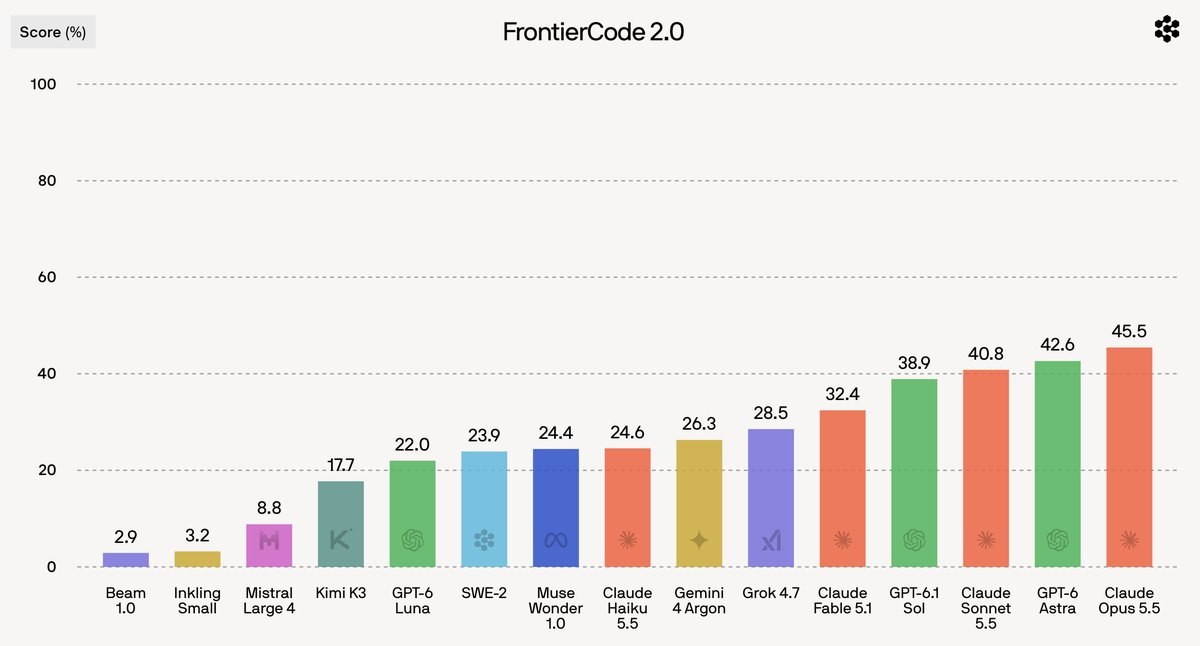
Takeaways: @cognition launches FrontierCode 2.0 — most coding evals check whether code meets a spec; FrontierCode asks whether you would merge the PR. Tasks are built by maintainers of the underlying OSS repos (40+ hours each); ~80% of audits yield a reference solution better than the upstream PR. On price/performance: Opus 5.5 and GPT-6 Astra lead the intelligence tier; GPT-6.1 Sol hits cost efficiency at about $1.03/task; rankings diverge from DeepSWE and the prior FrontierCode release.
Why it matters: Once models can land a green patch, the next bar is maintainability and review taste — benchmarks start simulating real merge decisions, not only unit-test greens.
- cognition: FrontierCode 2.0 launch: https://x.com/cognition/status/2115132488775524793
- cognition: price vs performance clusters: https://x.com/cognition/status/2115132491107651933
- cognition: ranking differences vs 1.1 / DeepSWE: https://x.com/cognition/status/2115132493259321443
3. Anthropic engineer: coding interviews are dead on his team
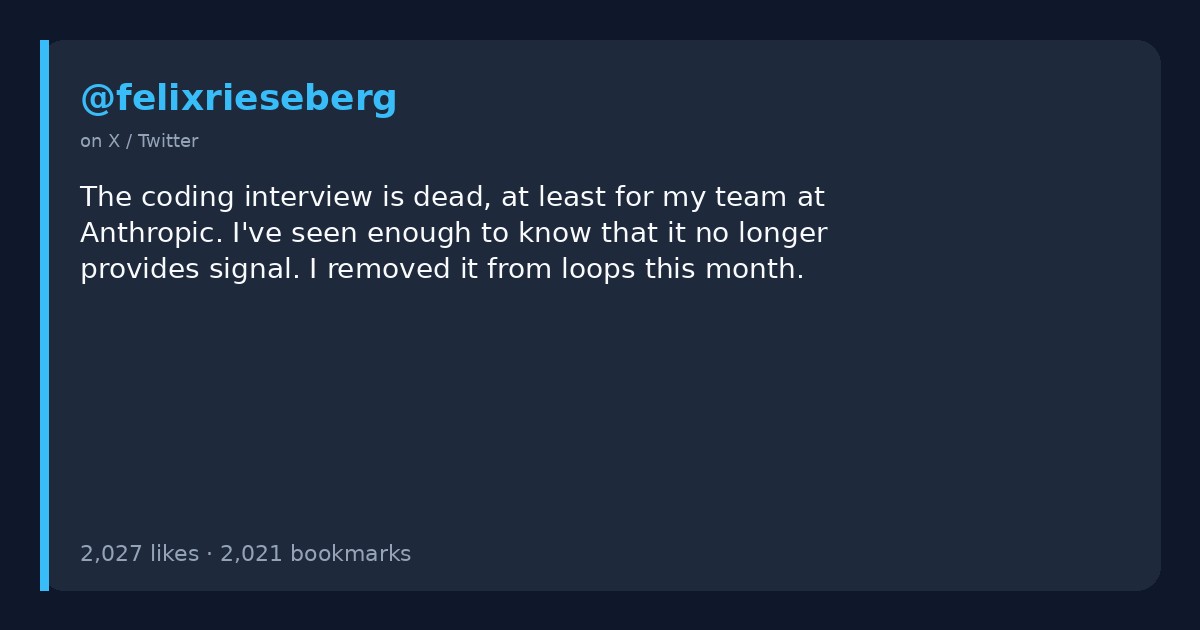
Takeaways: @felixrieseberg (Anthropic) writes that the coding interview is dead for his team — it no longer provides signal, and he removed it from loops this month — plus a spicy optimistic take that junior engineers may gain new openings (linked essay). Bookmarks nearly match likes: a “save this hiring note” style spread.
Why it matters: When a frontier lab publicly drops live algorithm drills, the mismatch between “human solves LeetCode” and “human steers agents to ship systems” is now written into hiring process.
- felixrieseberg: coding interview is dead: https://x.com/felixrieseberg/status/2115200995546566910
4. Grok Bot: tibot watches mentions; the codebase is made agent-friendly
Takeaways: @poteto shares tibot — a Grok Bot that manages an X account: finds posts about you or keywords (tagged or not), daily/hourly digests, spam filter, translation, optional auto-block, and never posts for you. A second post says the Grok Bot team makes the easy thing the right thing so engineers, designers, and PMs land hundreds of PRs a day; token spend largely goes to quality/maintenance, not only new features. Together: a personal intel agent on the product side, and an agent-friendly repo culture on the engineering side.
Why it matters: Personal agents expand from “write my code” to “read my social noise,” and “refactor the repo for agents” becomes a public engineering flex, not only an internal toolchain rumor.
- poteto: sharing tibot: https://x.com/poteto/status/2115205951649423585
- poteto: agent-friendly shipping: https://x.com/poteto/status/2115133011352240581
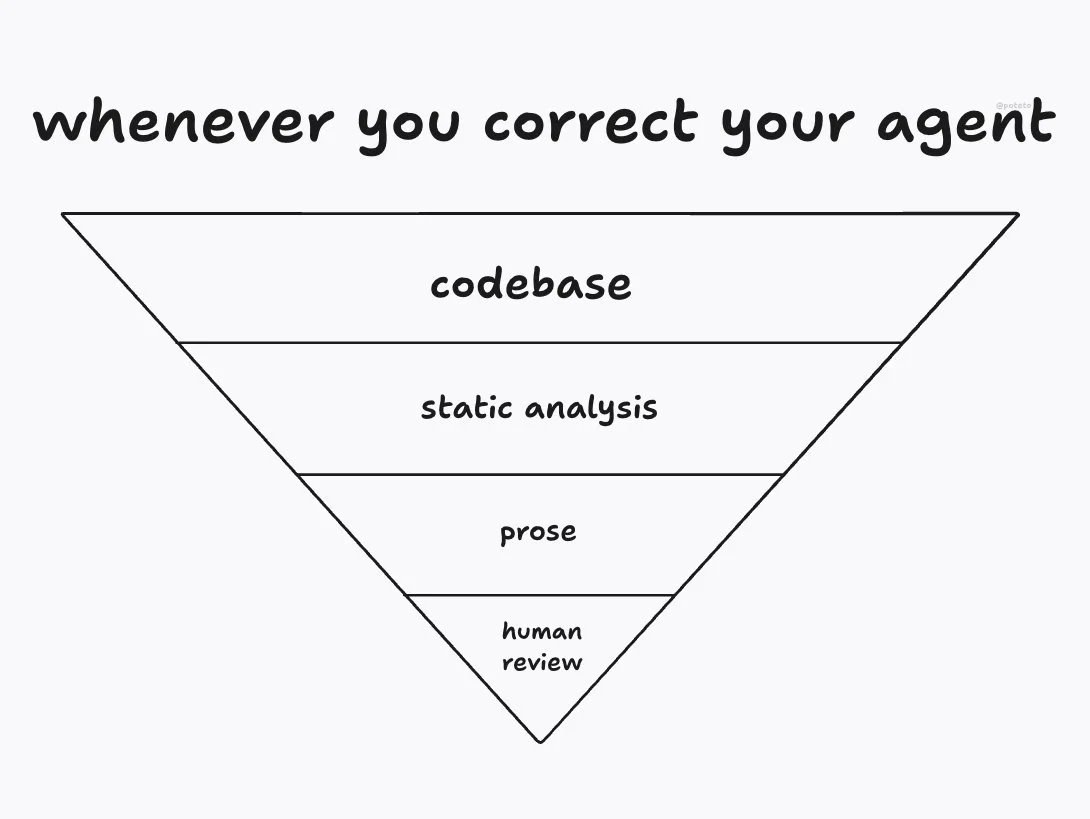
5. Claude Code goes multiplayer: /delta share shares thread and uncommitted work
Takeaways: @zeddotdev announces Claude Code is now multiplayer: run /delta share in Claude Code and a teammate joins in their own session with full context and uncommitted work on the same thread, backed by DeltaDB. A follow-up ships Delta CLI for plugging DeltaDB into other tools; next up: DeltaDB in Zed and Pi.
Why it matters: Coding agents move from solo terminal sessions to shareable work threads — the collaboration unit becomes context + working tree, not only a Git branch name.
- zeddotdev: Claude Code multiplayer: https://x.com/zeddotdev/status/2115135016233509239
- zeddotdev: Delta CLI: https://x.com/zeddotdev/status/2115135017512755710
6. Anthropic: Claude enters drug discovery and life sciences
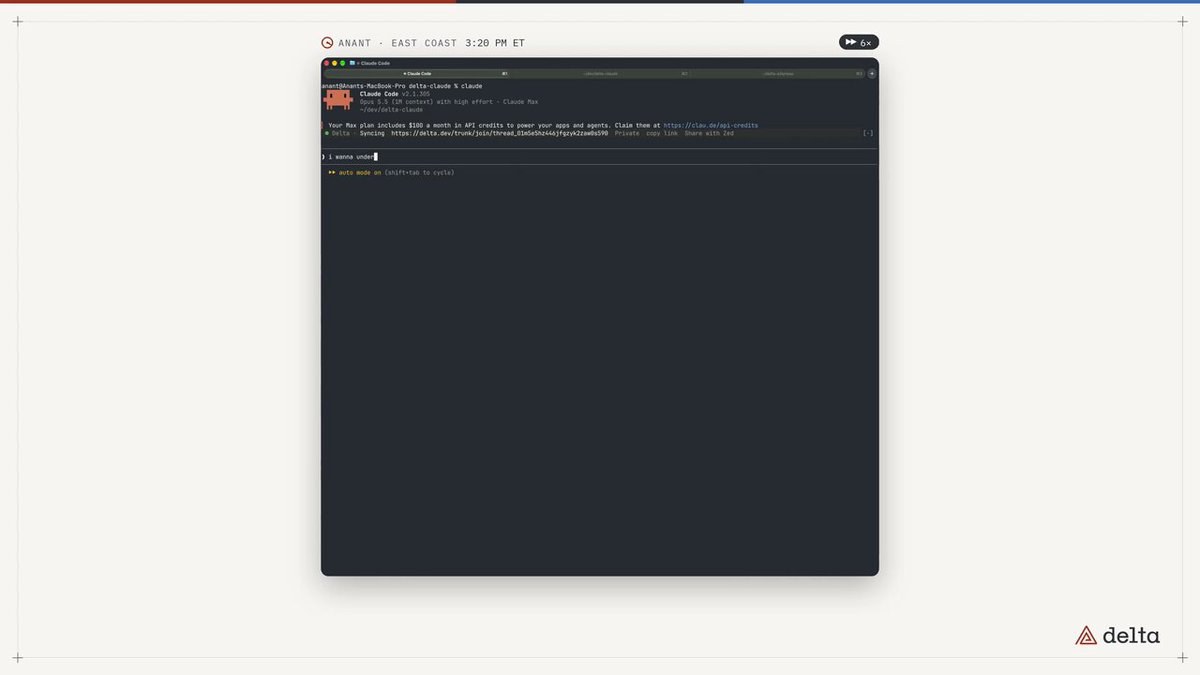
Takeaways: @AnthropicAI says scientists spent months in deep research partnerships with six organizations developing new medicines, and began drug-discovery efforts of their own; a blog shares early results and how Claude can support stages of drug development. One of the day’s highest-engagement official posts.
Why it matters: Vertical “model in the loop” narratives expand from coding and support into regulated life sciences — reliability and auditability requirements will push back on general-purpose agent products.
- AnthropicAI: drug-discovery partnerships: https://x.com/AnthropicAI/status/2115178675050307942
7. trq212: OSS needs a distribution model agents can modify with upstream merges
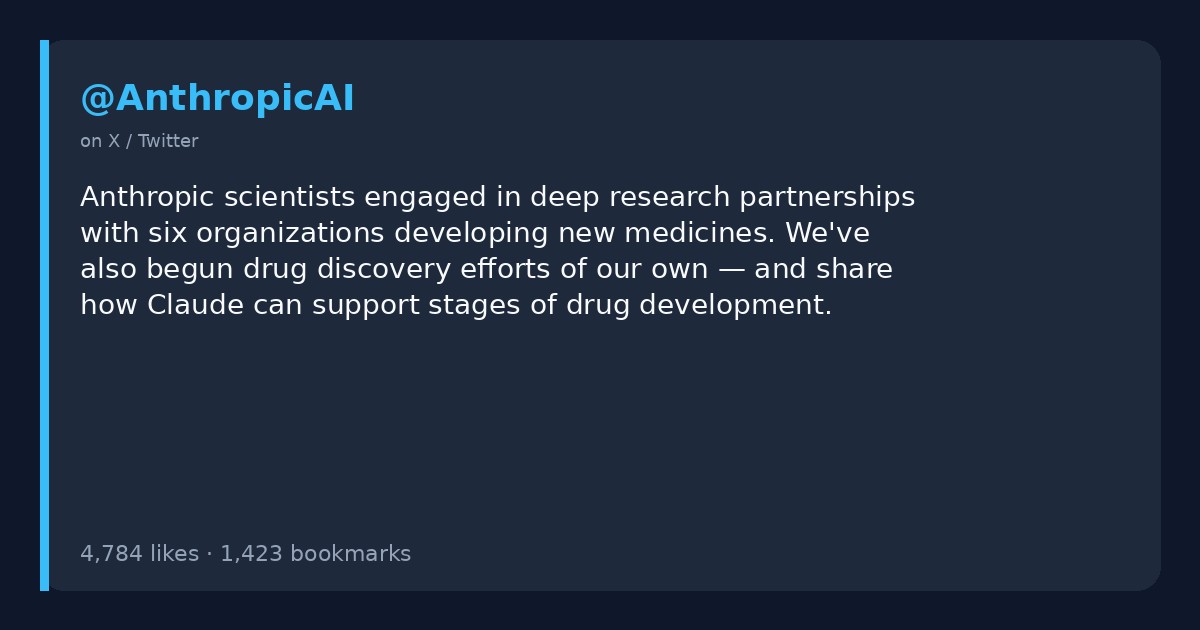
Takeaways: @trq212 argues for a new way to distribute open-source software so people can modify via agents while still getting upstream merges automatically; coding agents can do this in theory but will not do it automatically. Strong bookmark/discussion energy, rhyming with the day’s “agents edit repos / multiplayer sessions” thread.
Why it matters: As the marginal cost of editing code falls, fork-vs-upstream friction becomes a product gap — closer to infrastructure than yet another agent IDE.
- trq212: agent-modifiable OSS: https://x.com/trq212/status/2115188992861970693
8. thdxr: DeepSeek traffic fits on one rack — what’s missing is demand-creating apps
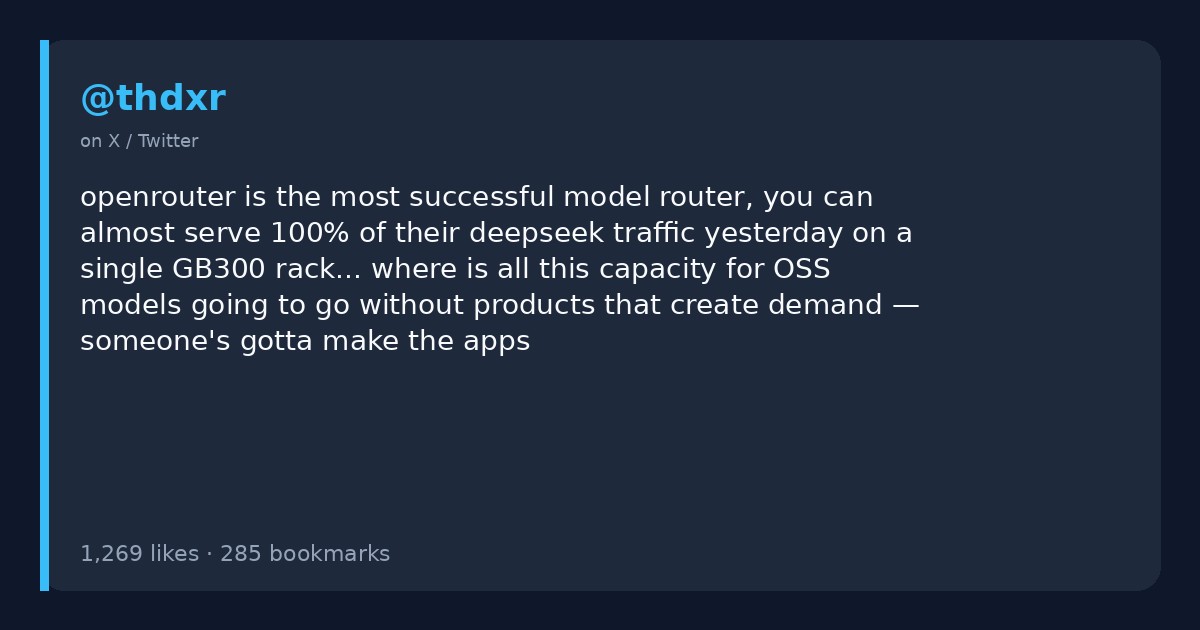
Takeaways: @thdxr puts demand in context: OpenRouter, the most successful model router, can almost serve 100% of its DeepSeek traffic on a single GB300 rack (~$6–7M of compute); even 10× hidden demand stays under ~$100M. Companion posts ask where neocloud → inference → router capacity goes without products that create demand — someone’s gotta make the apps.
Why it matters: Open-weight hype and GPU buildouts collide with “who builds the apps” — for coding-agent / harness builders, this is a demand-side bell, not a supply-side one.
- thdxr: OpenRouter / DeepSeek demand scale: https://x.com/thdxr/status/2115165365630026178
- thdxr: someone’s gotta make the apps: https://x.com/thdxr/status/2115085009220780377
- thdxr: hidden DeepSeek demand?: https://x.com/thdxr/status/2115149884890198356
9. Liquid AI LFM3: ~2B open weights trained for agent harnesses
Takeaways: @omarsar0 highlights Liquid AI LFM3 — a ~2B open-weight family for text, vision, audio, omni, and decision tasks on one backbone. LFM3-1.7B is trained for harnesses like Hermes Agent and Pi with 256K context; Liquid’s eval shows 38.4 on WebArena-Verified vs 28.9 for Qwen3.5-9B; fine-tunable on a single GPU — aimed at always-on local agents.
Why it matters: Small-model stories shift from “can chat” to “fits a resident harness” — local agents compete on tool use and long context, not parameter-count ads.
- omarsar0: LFM3 write-up: https://x.com/omarsar0/status/2115134865733828918
10. LangChain: open-sourcing an internal design agent (Content Studio)
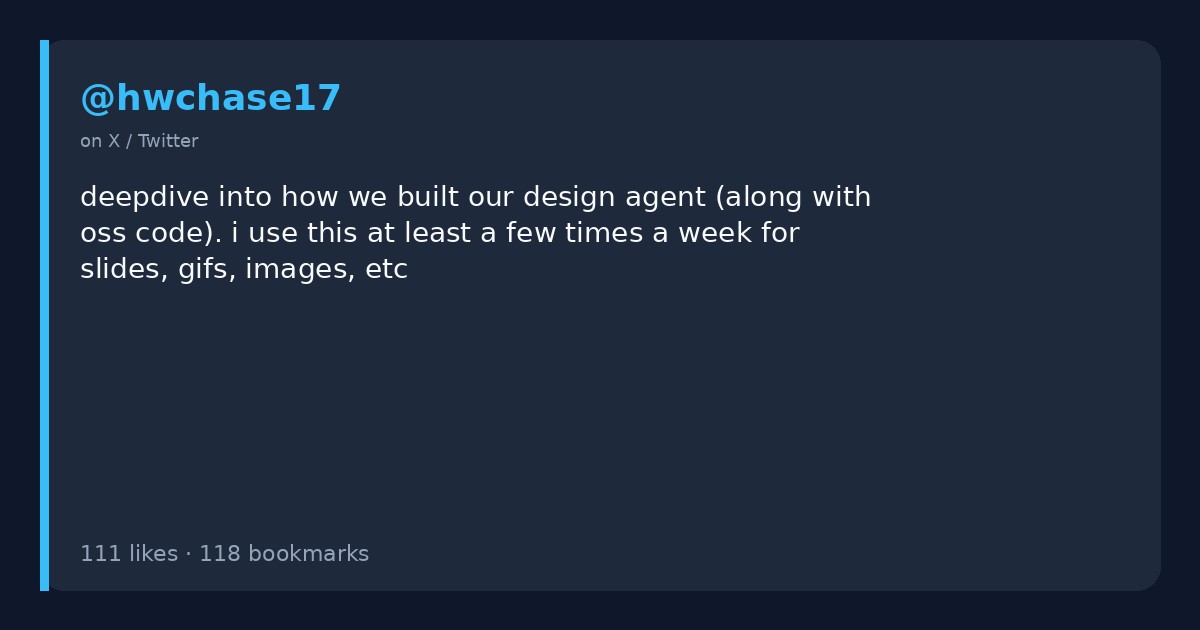
Takeaways: @hwchase17 shares how the team built a design agent (with OSS code) for slides, GIFs, images — used multiple times a week; related discussion points to Content Studio, an on-brand Slack design agent. Bookmarks exceed likes: a “take this home” engineering post.
Why it matters: A design agent lands the same day as Cursor Annotate — IDEs absorb design input while growth/brand teams agentify design production; both ends productize together.
- hwchase17: design agent deepdive: https://x.com/hwchase17/status/2115130348187349104