AI Twitter Highlights · 2026-09-20
AI Twitter/X Highlights Digest · 2026-09-20 (Sun)
Key Takeaways
- Pi 0.86.0 ships mid-conversation system messages, dynamic tools with cache-aware updates, Anthropic cache warming, and
/bug. - Claude Code splits into two threads: a sharp take on why AGENTS.md took ~16 months, and Projects that feel strong but stay cloud-only.
- Jev keeps the feed: a Claude Code Model Router, open Laya and free classifier.dev challengers, plus AutoJev as a decision layer.
- Devin Pro with free SWE-2 (for now) gets a heavy-user write-up; Chinese coding tools face a privacy/upload storm; AI-MEMORY pitches cross-harness handoff.
1. Pi 0.86.0: mid-conversation instructions and dynamic tools
Summary: @pidotdev shipped Pi 0.86.0: mid-conversation system messages, dynamic tools on supported models without dropping the KV cache when possible, Anthropic cache warming, faster -r/-c resume, and /bug reporting. Creator @mitsuhiko cautioned that mid-conversation system changes can regress—please report issues if you run from main.
Why it matters: Changing rules or tools mid-session while preserving prompt cache is a real harness problem, not a one-line changelog flex.
- Release: https://x.com/pidotdev/status/2101452506203066631
- Regression note: https://x.com/mitsuhiko/status/2101452864618926406
2. Claude Code: AGENTS.md “why so late?” + Projects’ cloud tradeoff
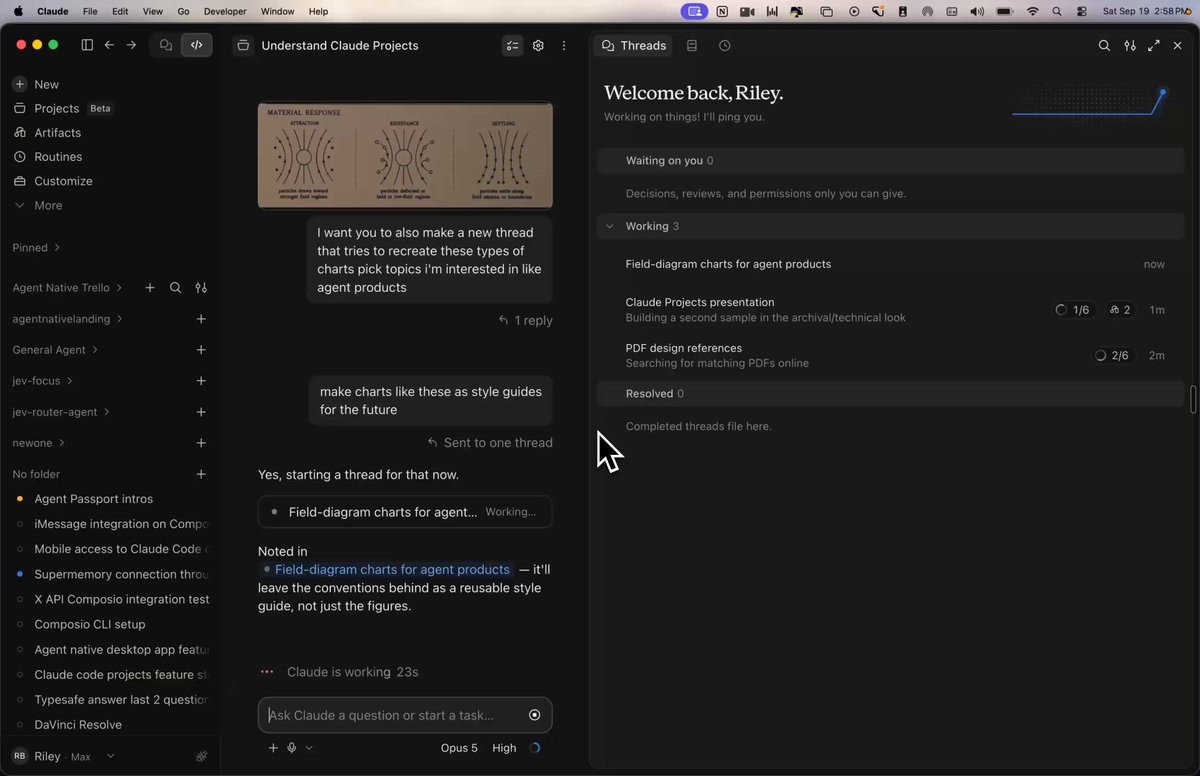
Summary: Quoting yesterday’s @trq212 AGENTS.md announcement, @GergelyOrosz argued that the best model and harness still don’t guarantee speed—Claude Code took ~16 months longer than OpenCode & Codex (and ~12 vs Cursor) to support AGENTS.md. Separately, @rileybrown posted twice on Projects: the orchestration feels excellent, but the orchestrator cannot spin up a local Claude Code thread—every session is cloud—which is great on iOS and awkward for local app building; projects can also carry their own routines (crons).
Why it matters: One thread taxes open conventions; the other exposes the local/cloud boundary the moment multi-session work is bundled into Projects.
- AGENTS.md lag: https://x.com/GergelyOrosz/status/2101296362503414130
- Projects praise: https://x.com/rileybrown/status/2101390525890691558
- Cloud limit: https://x.com/rileybrown/status/2101453842319618291
3. Jev: a Model Router inside Claude Code
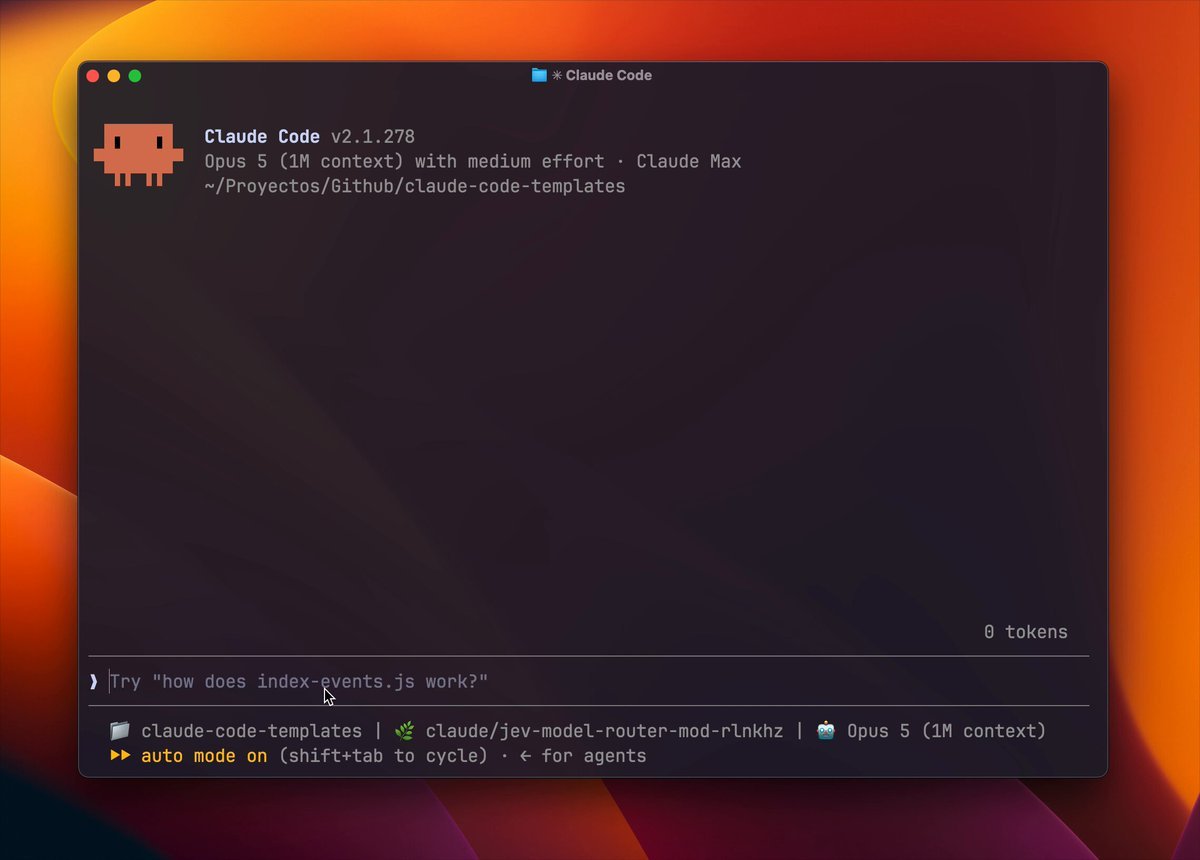
Summary: @dani_avila7 introduced a Jev Model Router Claude Code Mod: via the Typesafe API or Vercel AI Gateway, Jev classifies each request—subagent model, main model (only at session start to protect cache), and effort. Install: npx claude-code-templates@latest --mod productivity/jev-model-router. @BenjDicken’s explainer clarifies Jev is not chat completion: it answers structured questions (noul / choice / score) over attached state in parallel. @willcb said Jev-style decisions help with Astra’s “stops too early” failure mode.
Why it matters: Jev moves from “new Gateway model” to “in the Claude Code request path”—classifiers entering the main loop.
- Model Router: https://x.com/dani_avila7/status/2101176629745561686
- Explainer: https://x.com/BenjDicken/status/2101419750597566684
- Astra early-stop: https://x.com/willcb/status/2101178888441516117
4. Jev challengers: classifier.dev and open-source Laya
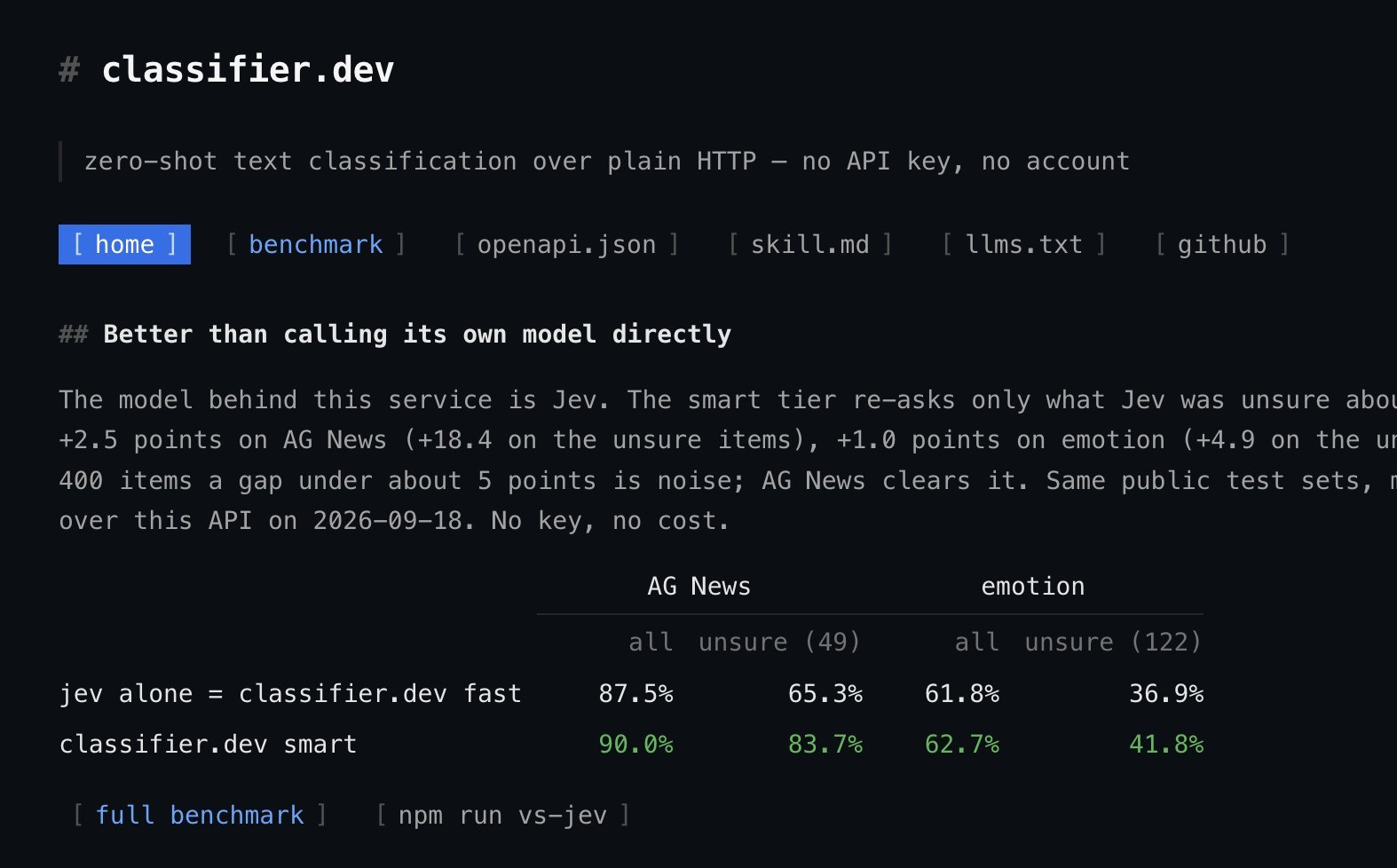
Summary: @michael_chomsky said classifier.dev outperforms Jev on their test and is free, with a benchmark screenshot and very high engagement. @0xCVYH pushed open-source Laya (convaiinnovations/laya on Hugging Face), claiming it is already faster than Jev; the HF model page shows a ~Sept 18 create date with updates into Sept 19.
Why it matters: A day after Jev’s surge, the classifier lane already has a free playground and a faster OSS companion—competition over the agent decision primitive.
- classifier.dev: https://x.com/michael_chomsky/status/2101210102393102497
- Laya: https://x.com/0xCVYH/status/2101171688683585622
5. AutoJev: a structured decision layer for agents
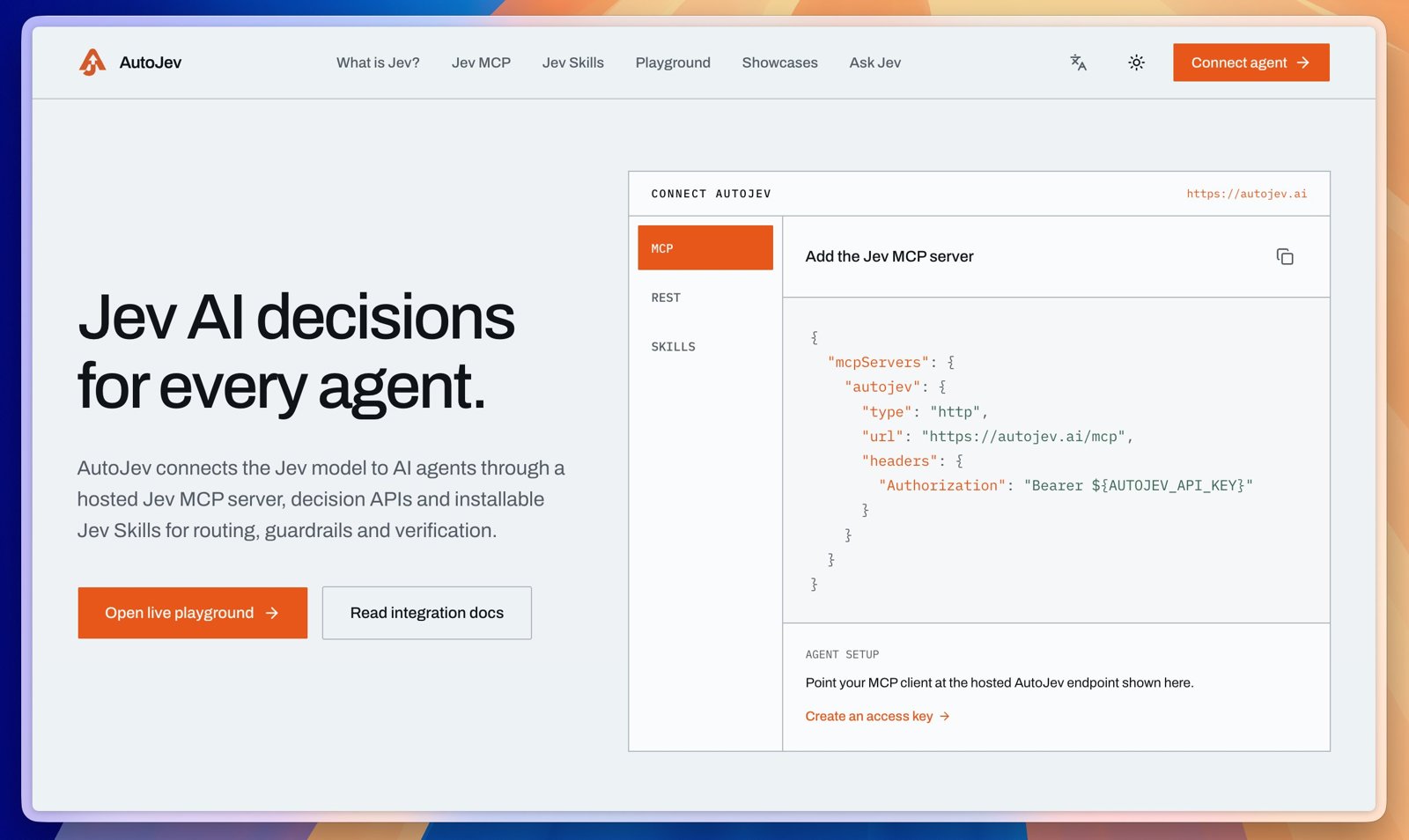
Summary: @idoubicc launched AutoJev: before routing a task, picking a model, calling a risky tool, or finishing important work, agents can ask AutoJev for a structured decision. It works with MCP, REST, and Agent Skills (autojev.ai).
Why it matters: Turns Jev-like judgment into a pluggable safety/routing layer—separate from the model that writes code.
- Link: https://x.com/idoubicc/status/2101138540449132676
6. Devin: Pro + free SWE-2 (for now) in heavy use
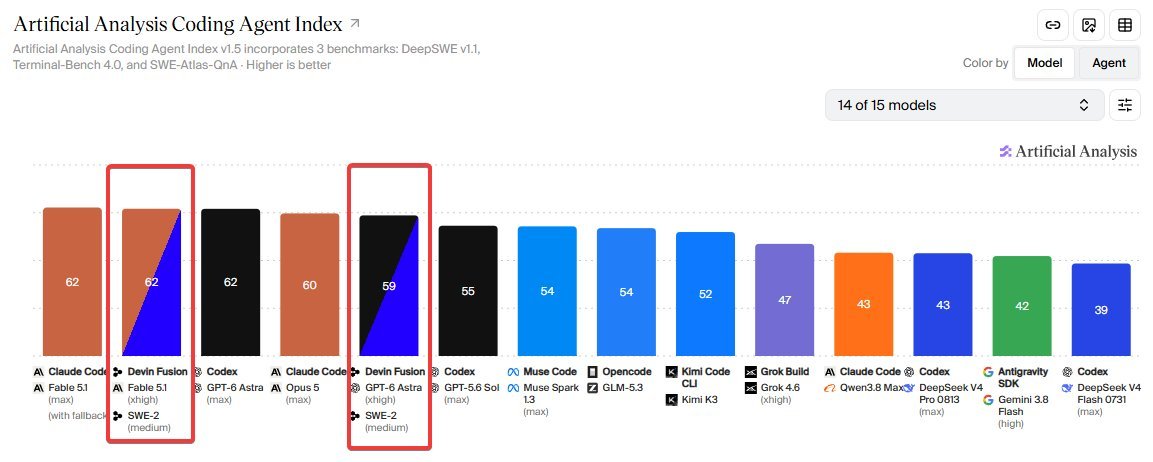
Summary: @Fanfulladev’s long post recommends the $20 Pro plan while Cognition’s flagship SWE-2 is free for Pro / Max / Teams (including Devin Cloud) through October 8. The workflow he likes: explore and steer locally in the CLI on SWE-2, then /handoff the same session to a Cloud VM that keeps running.
Why it matters: Not another release note—it’s how “free flagship model + local→cloud handoff” changes what a subscription is worth.
- Link: https://x.com/Fanfulladev/status/2101248358253793649
7. Meta: people talking browser use / Muse Spark
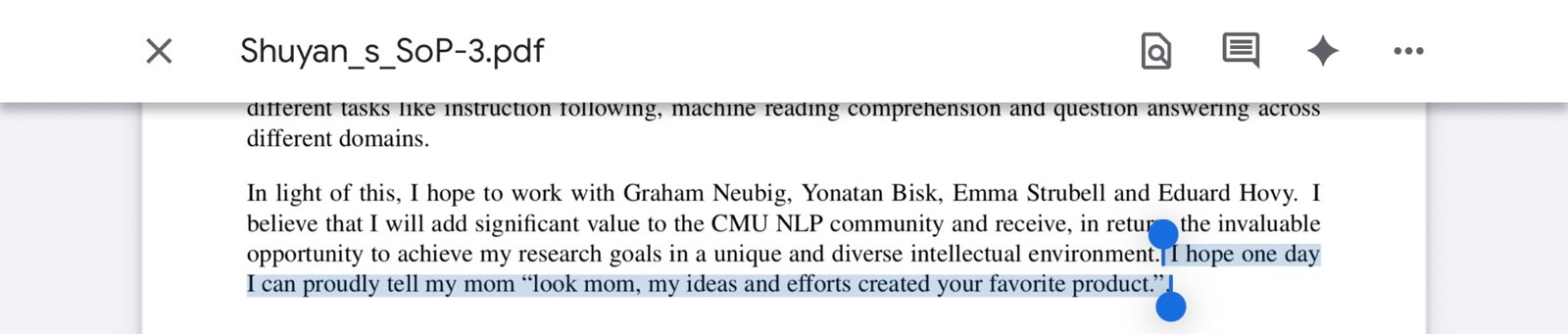
Summary: @shuyanzh36 (Shuyan Zhou) posted a life update: left academia for Meta’s personal superintelligence work, mostly making models better at browser use, quoting Muse Spark’s end-to-end computer-use story. Timeline replies also include Muse for Mac hands-on notes (the Mac client itself was announced earlier; this window is usage chatter).
Why it matters: The neighboring “drive the browser / computer” race keeps getting namedrops next to coding agents.
- Link: https://x.com/shuyanzh36/status/2101120532372758667
8. Chinese AI coding tools: privacy and whole-repo uploads
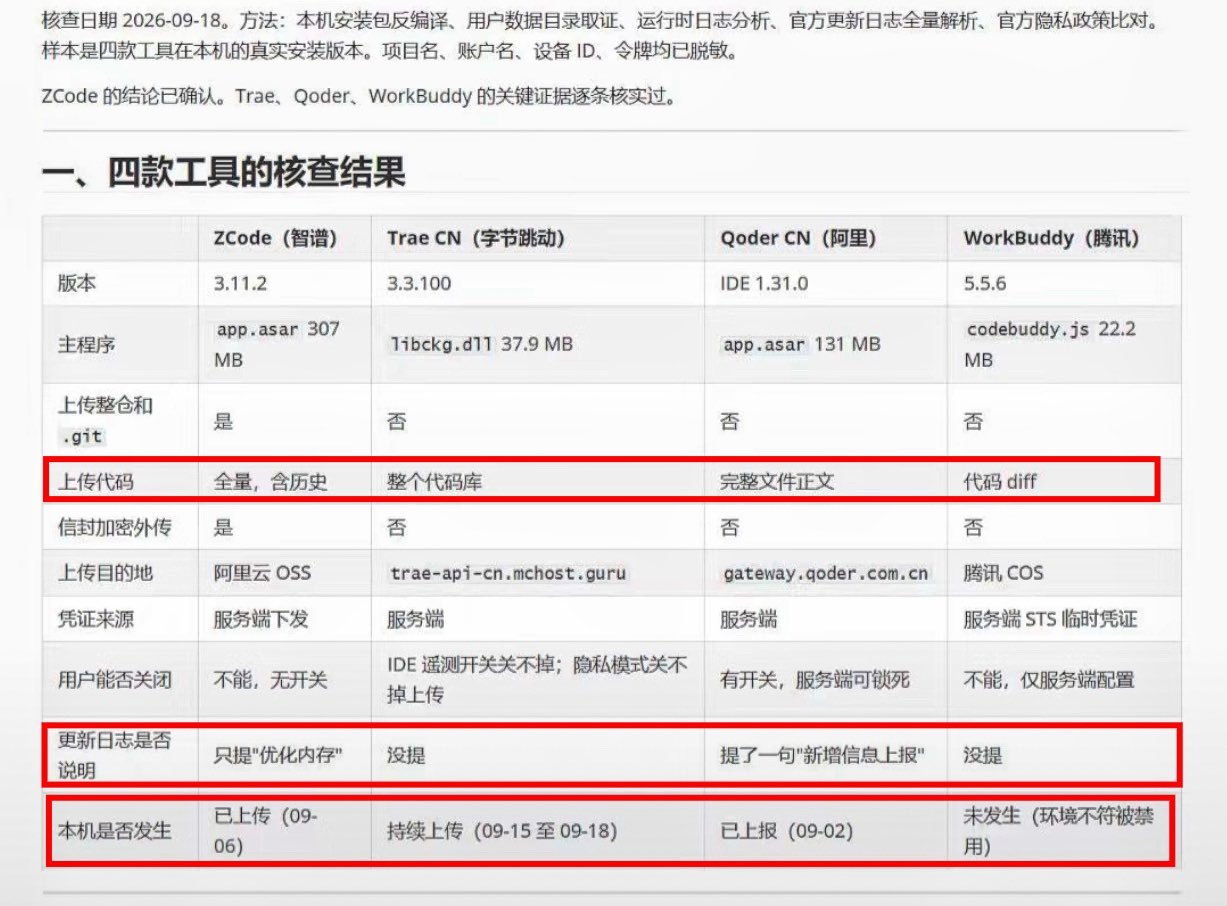
Summary: @NFT_Chen summarized audits of four products: Zhipu ZCode allegedly packaging the workspace and full .git history on login (the vendor apologized over Repo Wiki / indexing-related uploads and offered quota resets); ByteDance Trae and Alibaba Qoder were flagged for whole-repo / whole-file uploads; Tencent WorkBuddy looked more restrained (closer to diffs). @RookieRicardoR argued Cursor already showed what “upload → analyze → index” looks like, so Repo Wiki alone is not a full answer.
Why it matters: Default-on switches and keys the user doesn’t hold—trust costs for domestic coding agents, laid out in public.
- Roundup: https://x.com/NFT_Chen/status/2101228639845232830
- Cursor comparison: https://x.com/RookieRicardoR/status/2101186107786559508
9. AI-MEMORY: quit Claude Code, continue in Codex
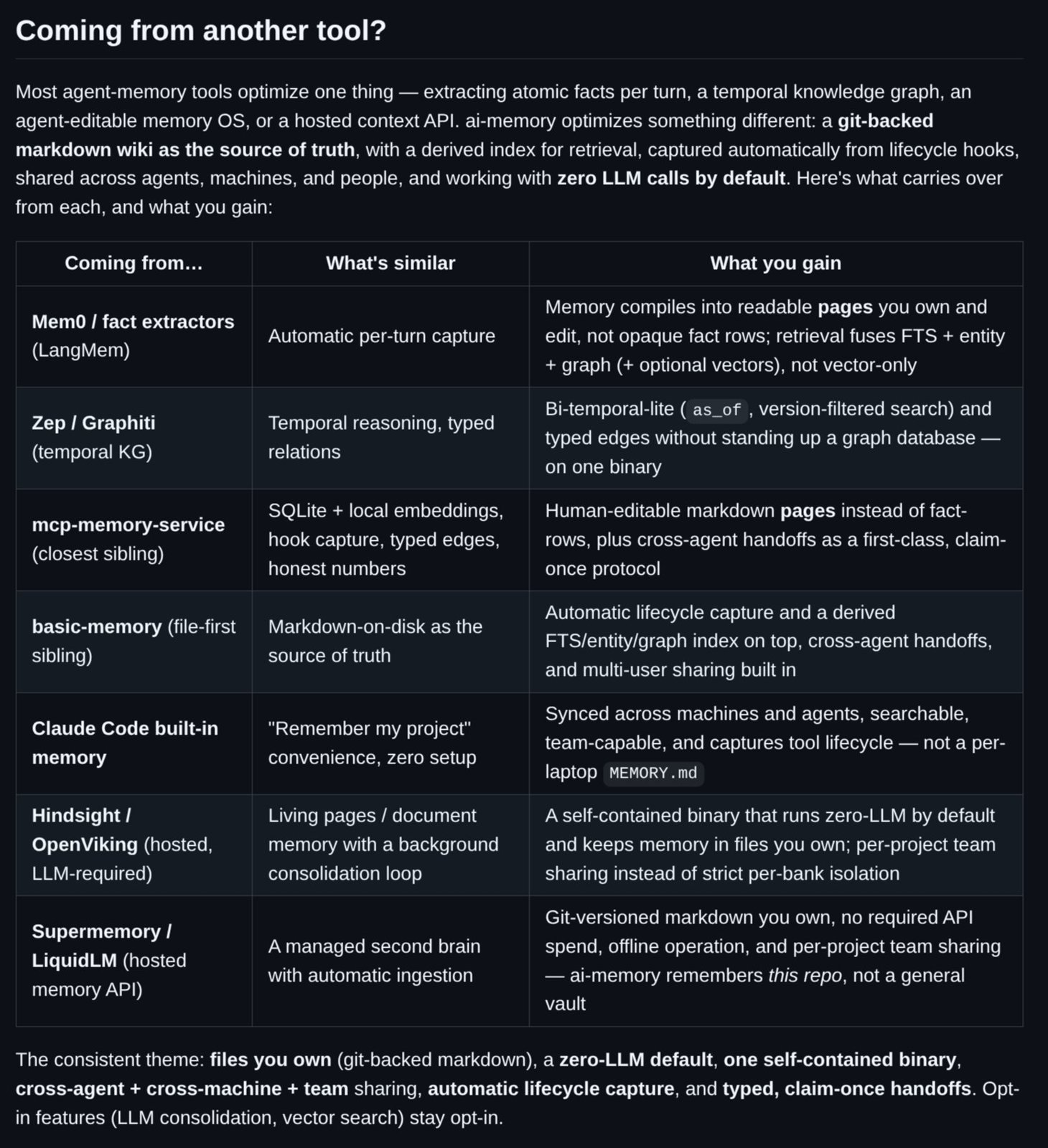
Summary: @AkitaOnRails pitched AI-MEMORY: stop Claude Code mid-task, start Codex in the same directory, and continue without re-explaining architecture, failed approaches, or open questions—local/self-hosted, open source, multi-user. Repo akitaonrails/ai-memory was created 2026-05 and still pushed on Sept 19 with README updates—ongoing product, not a “repo born today” story.
Why it matters: AGENTS.md shares instruction files; AI-MEMORY wants shared session memory—the next friction when many harnesses coexist.
- Link: https://x.com/AkitaOnRails/status/2101451863145238819